
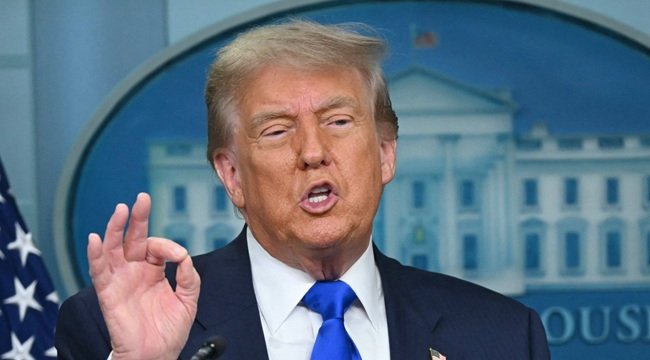
The political atmosphere remains tense due to the fallout from US President Donald Trump’s threats of military action against Nigeria.
1. Diplomatic Breakdown and International Interference
- Trump’s Threat: The crisis began after Trump designated Nigeria a “Country of Particular Concern” for allegedly allowing “the killing of Christians” and warned he might go in “guns-a-blazing” if the Nigerian government failed to act. He also threatened to “stop all aid and assistance to Nigeria.”
- Nigeria’s Pushback: President Bola Ahmed Tinubu’s administration firmly rejected the claims, stating that the “characterization of Nigeria as religiously intolerant does not reflect our national reality,” and affirmed Nigeria’s constitutional commitment to religious freedom. President Tinubu’s adviser, Daniel Bwala, said the government views the threats as a “negotiating tactic” and welcomes intelligence sharing while insisting the US must respect Nigeria’s sovereignty.
- Chinese & EU Intervention: China publicly declared its “firm support” for the Nigerian government and strongly warned Washington against “unwarranted interference” in Nigeria’s internal affairs, opposing the “wanton threat of sanctions and the use of force.” The European Union, through its Ambassador Gautier Mignot, also reiterated its “solidarity with Nigeria” and emphasized “respect for the nation’s sovereignty,” noting its own cooperation is “not influenced by external actors.”
2. Internal Political Reactions
- Senate Drama: In a public display of disagreement, Deputy Senate President Jibrin Barau openly countered Senate President Godswill Akpabio’s cautious approach to responding to Trump. Barau declared, “I am not scared of Trump. I will say my mind,” asserting the right of Nigeria as a sovereign nation to dispute what he called “lies about our country.”
- Governors’ Call for Diplomacy: Governor Ademola Adeleke of Osun State appealed for “peaceful interface between Abuja and Washington holds the key rather than military intervention,” urging the US to support the implementation of Nigeria’s national security strategy.
- Diplomatic Vacuum Exposed: Analysts continue to point to Nigeria’s “diplomatic vacuum,” stressing that the “absence of ambassadors” in key global capitals like Washington D.C. has severely weakened the government’s ability to engage directly and effectively counter the US narrative.
Key Legal and Domestic Issues
1. Nnamdi Kanu Trial Ultimatum
- Critical Deadline: The Federal High Court in Abuja, presided over by Justice James Omotosho, gave Nnamdi Kanu, the detained leader of the Indigenous People of Biafra (IPOB), until today, Wednesday, November 5, 2025, to open his defence in his terrorism trial or risk waiving his right to do so.
- Kanu’s Refusal: Kanu, representing himself, has consistently refused to enter a defence, maintaining that he has “no valid charge, known to any extant law, that is pending against him” and that his continued detention is unlawful.
2. Tax Reforms and Appointments
- Tax Ombudsman Appointed: President Tinubu approved the appointment of Dr. John Nwabueze as the Tax Ombudsman. The new office, established under the Joint Revenue Board of Nigeria (Establishment) Act, 2025, is mandated to strengthen “transparency and accountability within the tax system” and impartially resolve disputes between taxpayers and revenue authorities.


