
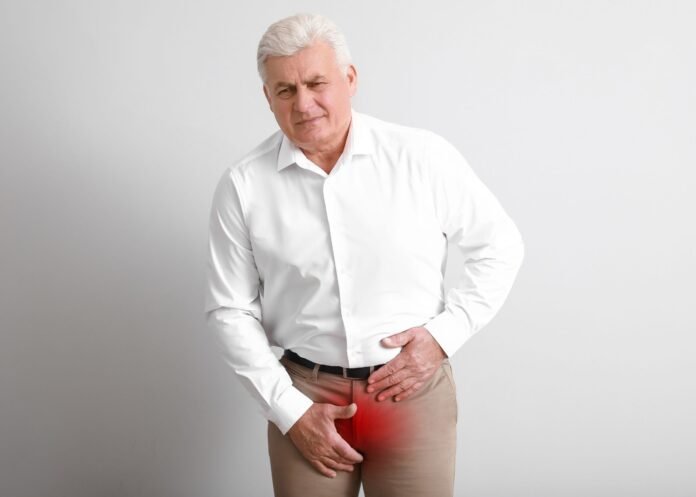
Prostate cancer is a common cancer that originates in the prostate, a small, walnut-shaped gland in males that produces seminal fluid.
While many cases are slow-growing and do not cause significant harm, some can be aggressive and spread quickly.
Symptoms
In the early stages, prostate cancer often does not cause any symptoms.3 In more advanced stages, it may lead to:
- Difficulty urinating or a reduced urine flow
- Blood in the urine or semen
- Bone pain
- Unexplained weight loss
- Erectile dysfunction
You should consult a doctor if you experience any of these symptoms persistently.
Causes and Risk Factors
Prostate cancer begins when DNA changes in prostate cells cause them to grow and divide uncontrollably, forming a tumor. The tumor can then invade nearby tissues or spread to other parts of the body. Key risk factors include:
- Age: The risk of developing prostate cancer increases with age, particularly after the age of 50.
- Race: Black individuals have a higher risk of developing prostate cancer and are more likely to have an aggressive form of the disease. According to the American Cancer Society, Black men are 1.8 times more likely to be diagnosed with prostate cancer and are 2.2 times more likely to die from it compared to white men.
- Family History: Your risk increases if you have a family history of prostate cancer or have specific genetic mutations, such as BRCA1 or BRCA2.
- Obesity: Being obese may increase the risk of prostate cancer and the likelihood of it being an aggressive type, though the evidence is still mixed.
Complications
Potential complications of prostate cancer include:
- Metastasis: The cancer can spread to other organs or bones, which may cause pain and lead to fractures.
- Incontinence: The cancer itself or its treatments can cause urinary problems, which can be managed with medication, catheters, or surgery.
- Erectile Dysfunction: This can be a result of the cancer or its treatments, with options available such as medications, medical devices, or surgery.
Prevention
There is no certain way to prevent prostate cancer, but a healthy lifestyle can support overall health and potentially lower your risk. This includes:
- Maintaining a Healthy Diet: Eating a variety of fruits, vegetables, and whole grains.
- Regular Exercise: Engaging in regular physical activity to help maintain a healthy weight.
- Avoiding Supplements: There is no conclusive evidence that supplements can reduce the risk of prostate cancer; it is better to focus on a nutrient-rich diet.
- Risk Assessment: High-risk individuals should consult their doctor. Medications like 5-alpha reductase inhibitors may reduce risk but could also increase the risk of high-grade cancer.


