
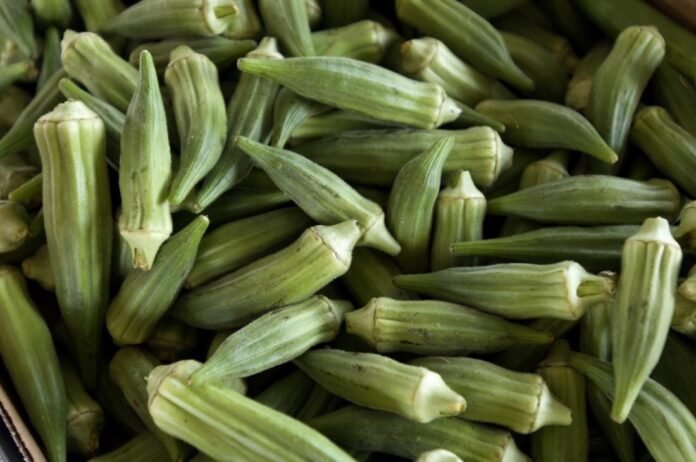
Okra, also known as “gumbo or ladies’ fingers,” is a warm-season vegetable that is celebrated for its nutritional value. It is rich in “minerals, vitamins, antioxidants, and fiber,” and is used to thicken sauces due to its “sticky juice.”
However, despite its benefits, eating too much okra can lead to potential health issues for some individuals.
Potential Health Issues from Okra
The article outlines four potential risks associated with consuming too much okra:
- Gastrointestinal Problems: Okra contains “fructans,” a type of carbohydrate that can cause digestive issues such as “diarrhea, gas, cramping, and bloating,” particularly for those with existing bowel conditions.
- Kidney Stones: The vegetable is high in “oxalates,” which can contribute to the formation of “calcium oxalate kidney stones.” Individuals with a history of kidney stones may need to limit their intake.
- Inflammation: Okra contains “solanine,” a compound that may trigger “joint pain, arthritis, and prolonged inflammation” in some people. Other foods that contain solanine include potatoes, tomatoes, and eggplant.
- Blood Clotting: Due to its high “vitamin K content,” okra can influence “blood clotting.” This could be a concern for individuals taking “blood-thinning medications” like warfarin, who should monitor their vitamin K intake.
The article concludes that for most people, okra is a “nutritious and beneficial” addition to a balanced diet, and “moderation is key.” However, it advises that individuals with specific health concerns should consult with their healthcare provider.


