
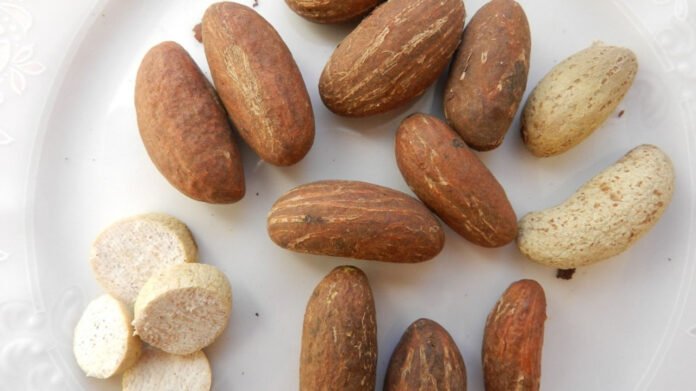
Bitter kola, or Garcinia kola, is a plant from West Africa whose seeds have been used in traditional medicine for centuries. It’s a “natural treasure” with many health benefits.
What is Bitter Kola?
Native to West African forests, bitter kola is part of the “Clusiaceae” family. The seed, which is the part most commonly used, is valued for its stimulating and health-boosting properties. People consume bitter kola in different ways, including eating the fresh nut, crushing it into a powder for drinks, or grinding dried seeds to make traditional remedies.
Key Health Benefits
Bitter kola is packed with beneficial compounds like “alkaloids,” “flavonoids,” “tannins,” and “amino acids.” These give it “antioxidant and anti-inflammatory properties,” which “help boost the immune system and protect body cells from damage.”
- Heart Health: It contains “caffeine and theobromine” that act as “stimulants for the heart,” which can increase heart rate, improve circulation, and regulate contractions. Bitter kola also has “diuretic effects,” which are helpful for “heart conditions associated with fluid retention.”
- General Health and Recovery: Rich in “xanthine bases and vitamin C,” it’s often recommended as a “general tonic for anemia and during periods of recovery.”
- Fever and Pain: Traditionally, it’s used to “reduce fever” and applied as an “ointment on the forehead to treat malarial fevers.” Its “anti-diarrheal and anti-inflammatory properties” may help with “headaches, toothaches, and migraines.”
- Digestion and Liver: Bitter kola is believed to aid “digestion” by “suppress[ing] stomach contractions and reduc[ing] gastric secretion.” “Regular consumption can help protect the liver.”
- Other Uses: There are indications that bitter kola may be helpful for treating “anorexia,” and it is also said to have “aphrodisiac properties.”


